The Intriguing Connection Between Your Birth Flower and You
Posted on 22/08/2025
The Intriguing Connection Between Your Birth Flower and You
If you're fascinated by astrology and birthstones, you may have overlooked another enchanting tradition: birth flowers. For centuries, different cultures have associated certain flowers with each month of the year, crafting an intricate tapestry of symbols and meanings. But is there a deeper connection? Can your birth flower actually reveal unique aspects of your personality, destiny, or relationships? Join us as we unravel the fascinating link between your birth flower and you--and explore how nature's floral calendar might impact your life.

What Are Birth Flowers?
Before we delve into the connection between birth flowers and personality, let's first define what birth flowers are. Much like birthstones, birth flowers represent the flower specifically assigned to each month of the year. These assignments vary slightly across cultures, but most Western traditions follow a similar list.
The Origin of Birth Flowers
The concept of birth flowers can be traced back to the Victorian era. In those times, people often communicated subtle messages through flowers, an art known as floriography. Each flower held a particular meaning, from love and friendship to courage or affection. Over time, specific flowers became tied to the months of the year, with the belief that these blossoms could influence, reflect, or complement the personality of people born during those months.
Monthly Birth Flowers--An Overview
Here's a snapshot of the typical birth flowers found in the Western calendar:
- January: Carnation, Snowdrop
- February: Violet, Primrose
- March: Daffodil, Jonquil
- April: Daisy, Sweet Pea
- May: Lily of the Valley, Hawthorn
- June: Rose, Honeysuckle
- July: Larkspur, Water Lily
- August: Gladiolus, Poppy
- September: Aster, Morning Glory
- October: Marigold, Cosmos
- November: Chrysanthemum
- December: Narcissus, Holly, Poinsettia
How Does Your Birth Flower Reflect Your Identity?
Many researchers and historians believe that the qualities attributed to birth flowers resonate with the characteristics of people born under their patronage. Much like astrology, the link between your birth flower and you can offer insightful reflections and a sense of personal connection. Let's explore what your birth flower might reveal about your personality and innermost self.
January Birth Flower: Carnation & Snowdrop
Carnation: Carnations symbolize devotion, love, and fascination. People born in January tend to be steadfast, loyal friends who value deep relationships and steadfastness.
Snowdrop: The snowdrop stands for hope and rebirth. January-born individuals often possess a quiet strength that helps them weather life's storms with optimism and resilience.
February Birth Flower: Violet & Primrose
Violet: Associated with modesty, faithfulness, and humility, violets represent the gentle yet determined nature of February birthdays.
Primrose: Symbolizing young love and the feeling of "I can't live without you," primroses suggest February-born individuals are passionate and heartfelt.
March Birth Flower: Daffodil & Jonquil
Daffodil: Known for new beginnings and happiness, daffodils represent the hope and energy typical of March-born personalities.
Jonquil: These flowers indicate desire and affection. If you're a March baby, you may be naturally affectionate, with a zest for fresh starts.
April Birth Flower: Daisy & Sweet Pea
Daisy: Widely seen as symbols of innocence, purity, and loyal love, daisies reflect the straightforward and dependable nature of people born in April.
Sweet Pea: Representing delicate pleasure and good fortune, sweet peas hint that April-born individuals tend to be gentle and bring joy to those around them.
May Birth Flower: Lily of the Valley & Hawthorn
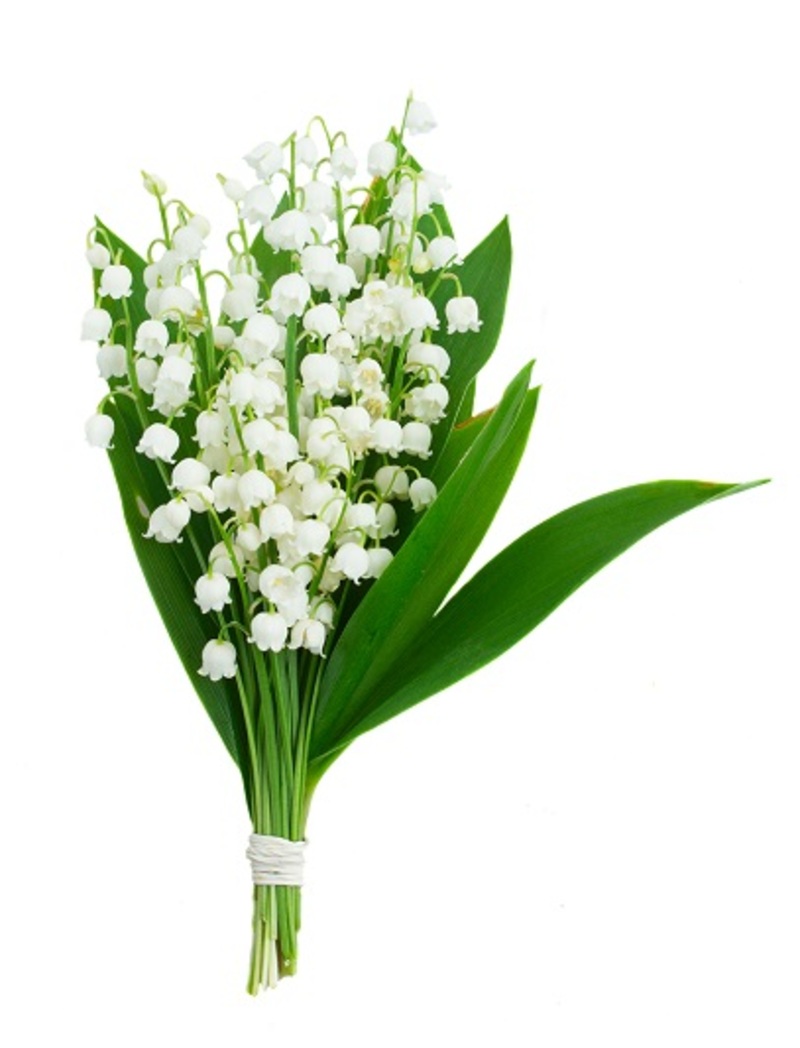
Lily of the Valley: Linked to sweetness and humility, May-born individuals are often gentle souls, celebrated for their warmth and innocence.
Hawthorn: Emblematic of hope and supreme happiness, hawthorn suggests that those born in May have a positive attitude and brighten the lives of others.
June Birth Flower: Rose & Honeysuckle
Rose: Universally known for love and passion, roses indicate those with June birthdays are deeply romantic and generous with their affections.
Honeysuckle: Traditionally symbolizing bonds of love, honeysuckle suggests a person who forms close-knit, loyal relationships.
July Birth Flower: Larkspur & Water Lily
Larkspur: This beautiful flower stands for positivity and an open heart. July-born people are often welcoming and uplifting, spreading cheer in their circles.
Water Lily: Signifying purity and enlightenment, water lilies represent those with a serene, wise nature.
August Birth Flower: Gladiolus & Poppy
Gladiolus: Symbolic of strength, integrity, and infatuation, the gladiolus fits the bold, ambitious spirits frequently found among August birthday celebrants.
Poppy: Stands for imagination, remembrance, and peace. August-born individuals may be dreamers, with a gentle but determined outlook.
September Birth Flower: Aster & Morning Glory
Aster: Associated with wisdom, valor, and faith, asters suggest that September personalities are thoughtful and reliable.
Morning Glory: This flower speaks to love in vain and affection. People born in September may possess a sincere, sometimes self-sacrificing, approach to relationships.
October Birth Flower: Marigold & Cosmos
Marigold: Known for warmth and creativity, marigolds reflect the energetic, charismatic nature of most October-born people.
Cosmos: Representing harmony and order, cosmos indicate an innate sense of balance.
November Birth Flower: Chrysanthemum
Chrysanthemum: This flower indicates cheerfulness, friendship, and abundance. November birthdays may suggest sociable people who are dependable and supportive.
December Birth Flower: Narcissus, Holly & Poinsettia
Narcissus: Symbolizes respect, faithfulness, and modesty. December-born individuals are often humble yet honorable.
Holly: Associated with protection and domestic happiness. Holly hints at someone who cherishes family and home.
Poinsettia: Stands for good cheer and celebratory spirit. December birthdays are often filled with joy and generosity.
How to Incorporate Your Birth Flower Into Your Daily Life
Once you've unlocked the secrets of the connection between your birth flower and you, why not let that knowledge blossom in your daily routine? Here are creative and meaningful ideas:
- Jewelry and Accessories: Choose pendants, earrings, or brooches that feature your birth flower, carrying its meaning with you everywhere you go.
- Home Decor: Decorate with artwork, cushions, or real bouquets matching your birth flower for personal inspiration.
- Gardening: Grow your birth flower in your garden or balcony to connect with its energy and enjoy its beauty all year round.
- Gifting: Give loved ones bouquets containing their birth flowers--tailored, sentimental, and unforgettable!
- Rituals and Traditions: Incorporate your birth flower into birthdays, anniversaries, or other milestones for blessings and symbolism.
The Symbolic Power of Birth Flowers in Relationships
Have you ever wondered if your birth flower can complement or contrast with those of your loved ones? Your birth flower's symbolism can offer insight into friendships, romances, or even family dynamics. For example, a June rose and an August gladiolus both signify deep affection and strength, promising harmony in relationships. Meanwhile, a March daffodil's zest for new beginnings might perfectly complement a September aster's wisdom.
Understanding your loved ones' birth flowers can help you choose gifts more thoughtfully, communicate love effectively, and nurture deeper connections.
Birth Flower Variations Around the World
The idea of flowers marking our birth months is not just a Western phenomenon. Different cultures have unique variations:
- Japanese Hanakotoba: The language of flowers in Japan offers its own rich meanings, sometimes aligning with Western birth flowers but featuring distinct interpretations.
- Victorian England: As pioneers of floriography, Victorians attributed sometimes much more elaborate meanings to each flower.
- Eastern Traditions: Some cultures favor seasonal flowers closely tied to indigenous plants and regional events, making the birth flower experience a truly global phenomenon.
Are Birth Flowers Scientifically Significant?
While the link between your birth month flower and personality traits is largely symbolic, psychology recognizes the value of rituals and traditions in shaping identity and behavior. Birth flowers can serve as personal totems or reminders of our strengths and milestones, boosting confidence and well-being.
The Enduring Appeal of Birth Flowers
In the fast-paced digital age, it's comforting to turn to traditions rooted in nature. Birth flowers provide a living, blossoming link to our past, present, and future. Whether you're cultivating your unique story, seeking deeper connections, or simply admiring the beauty of blooms, remember that the connection between your birth flower and you is as unique as your fingerprint.
Conclusion: Embrace Your Unique Blossom
From the sweet sincerity of the lily of the valley to the passionate spirit of the rose, each birth flower carries its own energy and wisdom. Learning about these floral friends isn't just fun--it's an opportunity to reflect on your own journey, celebrate your uniqueness, and connect meaningfully with the world around you.
So, are you ready to let your birth flower guide you? Take this knowledge into your everyday life--through art, ritual, relationships, and growth. Let your birth month flower inspire your path, and bloom into the person you were always meant to be.
Latest Posts
The Intriguing Connection Between Your Birth Flower and You
Delve Into the Rich History of Tulips with These 7 Facts
Embracing Passion Through Red Roses on Valentine's Day